Group III base oils have become a critical feedstock for modern lubricants, particularly synthetic and semi-synthetic engine oils, low-viscosity passenger car motor oils, automatic transmission fluids, and OEM-approved formulations. Their high viscosity index, low volatility, low sulfur content, and oxidation stability make them essential for products designed around fuel economy, longer drain intervals, and tighter emission-related performance standards.
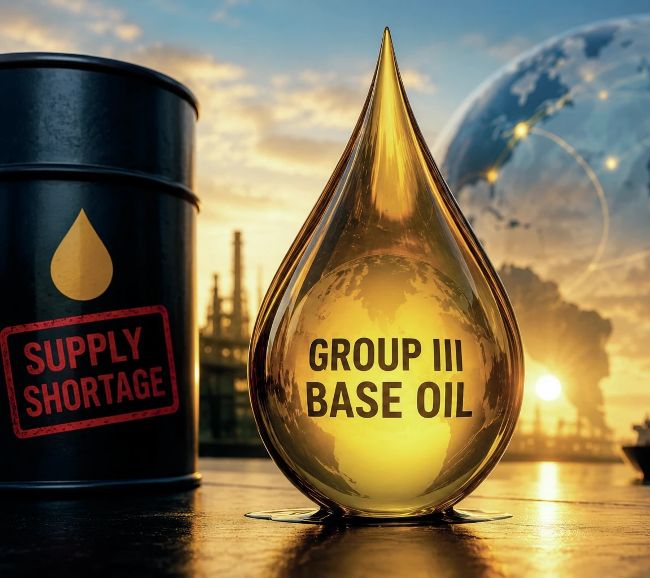
The current Group III supply squeeze is not simply a pricing cycle. It is a structural stress test for lubricant supply chains. Middle East supply disruption, constrained exports, longer shipping routes, elevated freight costs, and strong global demand for premium lubricants have combined to tighten availability. The result is longer lead times, reduced spot availability, allocation pressure, and higher replacement costs for blenders.
For Africa, the risk is significant because most premium base oils are imported. Local blenders in markets such as South Africa, Nigeria, Kenya, Egypt, Morocco, Ghana, Tanzania, and Côte d’Ivoire depend heavily on overseas suppliers for Group II, Group III, additives, and finished lubricant technology packages. When global supply tightens, African buyers are usually exposed later than larger Western buyers but often feel the impact more severely because of smaller parcel sizes, limited storage, longer financing cycles, foreign-exchange constraints, and weaker negotiating power with major suppliers.
The impact will not be uniform across all lubricant categories. Basic monogrades, conventional diesel engine oils, industrial hydraulic oils, gear oils, and greases may face cost pressure but are not the most exposed. The highest risk sits in low-viscosity synthetic passenger car oils such as 0W-20 and 0W-16, OEM-approved 5W-30 and 5W-40 formulations, advanced ATF/CVT/DCT fluids, and products where reformulation is restricted by approvals or warranty requirements.
This matters commercially. African lubricant buyers may face fewer brand options, reduced promotional pricing, delayed shipments, and greater pressure to accept substitute formulations. Fleet operators, mining companies, transporters, workshops, and distributors should not treat this as a routine procurement issue. Lubricant continuity now directly affects operating uptime, warranty compliance, and total cost of ownership.
The correct response is not panic buying. It is disciplined procurement risk management. Buyers should classify products by Group III dependency, identify critical SKUs, extend procurement visibility from monthly buying to rolling 90–180 day planning, and avoid over-reliance on a single supply region. Blenders should secure alternative approved formulations, review additive-package flexibility, increase strategic tankage where financially viable, and negotiate allocation commitments with suppliers.
Re-refined base oils may become part of the long-term answer, but this must be treated realistically. Most re-refining systems produce Group I or Group II-type material, not direct Group III substitutes. They can improve sustainability and reduce dependence on virgin base oils in selected applications, but they cannot automatically replace high-performance Group III in OEM-approved synthetic engine oils.
SOURCE | MAGNIFIC
The deeper lesson for Africa is clear: lubricant competitiveness is no longer only about price, brand, or distribution. It is about supply-chain resilience, technical formulation capability, inventory discipline, and access to reliable global feedstock channels.
The Group III shortage is therefore more than a temporary market disruption. It is a warning that African lubricant companies must move from transactional buying to strategic procurement. Those that secure diversified supply, build stronger technical partnerships, and manage inventory scientifically will be better positioned than those waiting for the market to normalize. .